Blog

2026 Best Contact Lens Manufacturer for Global Buyers?
Choosing the best contact lens manufacturer in 2026 takes more than comparing prices or glossy product catalogs. Global buyers need evidence of consistent quality, dependable supply, and clear communication. A low unit cost means little if lenses arrive late or specifications change without notice. Details matter.
This guide examines the factors buyers can check: manufacturing experience, documented quality controls, material options, packaging accuracy, and support for product development. It also considers whether a supplier can provide current, verifiable documents for relevant markets. Requirements differ by destination, so buyers should confirm them with qualified regulatory professionals rather than rely on a sales claim. Ask how batches are traced, how defects are handled, and what happens when demand rises. Request samples. Review them carefully.
No single supplier is best for every buyer. A growing optical brand may value flexible order volumes, while a large distributor may prioritize stable capacity and predictable lead times. Neither choice is automatically right. I would also be cautious about treating a website, certificate image, or factory photograph as proof on its own. Those signals can help, but they need follow-up. This comparison aims to help global buyers ask sharper questions and weigh practical trade-offs before contacting a manufacturer. The answer may be less tidy than a ranked list suggests, and that is worth acknowledging. A careful review can reduce uncertainty, but it cannot replace independent checks, product evaluation, or informed professional advice.
Read more »
 By:Oliver
- November 11, 2026
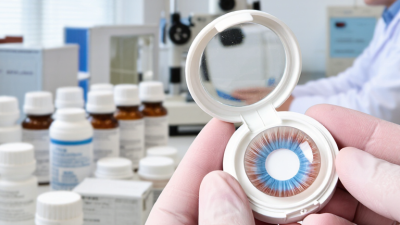
7 Tips for Choosing a Colored Contact Lens Manufacturer
Choosing a colored contact lens manufacturer is not just a price comparison. The decision affects product consistency, eye comfort, and the reliability of every shipment. Ophthalmologist and contact lens safety expert Dr. Thomas Steinemann has emphasized: “Contact lenses are medical devices, not ordinary fashion accessories.” That principle matters for colored lenses, too. A striking shade means little if quality controls are unclear.
This guide presents seven practical checks for evaluating a potential manufacturing partner. It considers documented quality systems, material and color consistency, production capacity, customization, packaging, communication, and after-sales support. Ask for current product specifications and sample lenses. Compare the printed shade with the lens in natural light. Check whether the manufacturer explains inspection procedures and can trace production batches. Small details count. A slow reply to a technical question may reveal more than a glossy brochure.
Price deserves attention, but it should not lead the decision. A low quote can hide limits in customization, testing, or delivery planning. Still, a high price is no guarantee of dependable work. Even careful buyers can miss something. Review your own requirements before requesting samples, and record what each supplier promises. The aim is not to find a flawless colored contact lens manufacturer on paper. It is to identify a partner whose evidence, communication, and production practices stand up to practical scrutiny.
Read more »
By:Oliver
- November 11, 2026

Top Contact Lens Suppliers for Global Buyers
Global buyers need more than a low quote when choosing a contact lens supplier. They need reliable product quality, clear documentation, steady supply, and responsive communication. The market is expanding: Grand View Research estimated the global contact lens market at USD 18.6 billion in 2023 and projected a 4.6% compound annual growth rate from 2024 to 2030. Growth creates options. It also makes supplier checks more important.
The U.S. Centers for Disease Control and Prevention reports that about 45 million people in the United States wear contact lenses. That is one national snapshot, not a complete picture of global demand. Still, it shows why consistent manufacturing and handling matter. Ophthalmologist Thomas Steinemann has cautioned, “Contact lenses are medical devices, not cosmetics.” Buyers should keep that distinction in view when comparing suppliers. A polished catalog is not enough. Ask about product specifications, quality controls, traceability, lead times, and how problems are handled. Look for evidence, not just promises.
This guide examines suppliers through practical questions that matter to importers, distributors, and retailers. Can the supplier maintain consistent batches? Are responses specific and timely? Do documents match the products offered? These details can be easy to overlook. I would not treat any single ranking as a substitute for due diligence; supplier fit depends on destination markets, order volumes, and product needs. A careful comparison can help buyers find dependable partners, while leaving room to reassess when performance falls short.
Read more »
By:Oliver
- November 11, 2026