Featured OEM Optical Devices & Private-Label Contact Solutions
From daily disposable soft corrective lenses engineered with high Dk/t materials to ophthalmic diagnostic fundus optics and luxury custom secondary packaging, explore our audited production matrix engineered for the Canadian market.
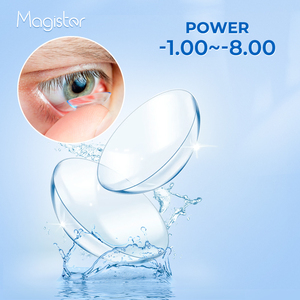
- Power: Plano to -12.00 D (0.25D Steps)
- High Oxygen Permeability (Dk/t 33+)
- 38% / 55% Water Content Formulations
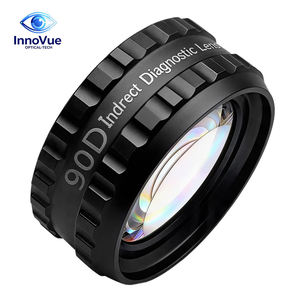
- Optical Clarity: Dual Aspheric Glass
- Magnification: 0.76x / FOV 94°
- Anti-Reflective Broadband Coating
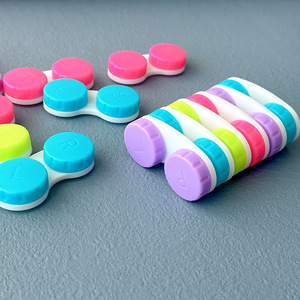
- Medical-Grade Virgin Polypropylene
- Leak-Proof Ultrasonic Seal Design
- Custom Pantone & Private Mold Options
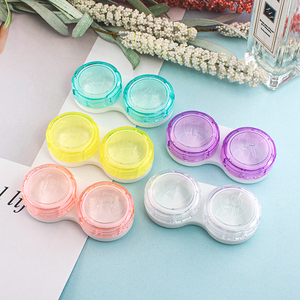
- Integrated Tweezers & Silicone Inserter
- Autoclave-Tested Biocompatible Housing
- Silkscreen & Hot-Stamping Branding
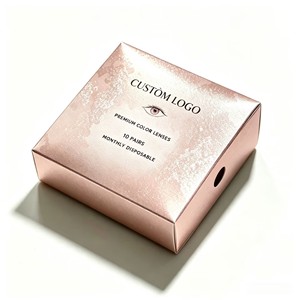
- 350 GSM Food-Safe Virgin Kraft / SBS
- Precision Die-Cut Inspection Window
- Health Canada Compliant Bilingual Ready
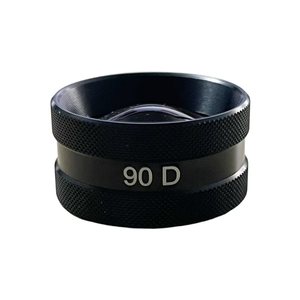
- Dynamic Slit Lamp Fundus Evaluation
- Scratch-Resistant Multi-Layer AR
- ISO 13485 Registered Medical Class II
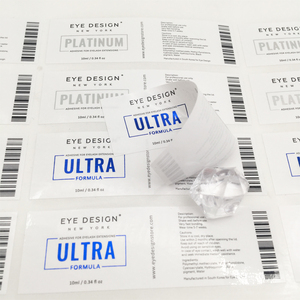
- Cryogenic & Moisture-Resistant Synthetic
- Barcode, UDI & GS1 Matrix High-Resolution
- Canadian Bilingual Compliant Layouts
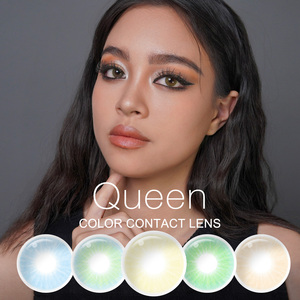
- Full Color Cosplay / Natural Cosmetic Lenses
- 3-Layer Dye Sandwich Embedding (Zero Fade)
- Complete Blister Pack & Box Turnkey OEM
Clinical Engineering, Polymer Chemistry & Global OEM Scalability
A comprehensive analytical guide for Canadian medical device importers, optical retail syndicates, and private-label ophthalmology innovators navigating offshore contract manufacturing.
1. Cleanroom Precision & Fully Automated Cast-Molding Infrastructure
Operating across Class 100,000 (ISO Class 7) precision environments with dedicated Class 10,000 laminar airflow staging zones, our manufacturing complex integrates closed-loop robotic cast-molding systems sourced from Switzerland and Japan. Unlike legacy spin-casting or rudimentary lathe-cutting techniques that yield inconsistencies in edge geometry and sagittal depth, our advanced double-sided precision steel molding delivers sub-micron surface tolerances (±0.002 mm). This automated high-yield fabrication architecture guarantees consistent corneal clearance, minimizes lens-induced conjunctival staining, and delivers exceptional axial symmetry essential for astigmatic and spherical soft contact lenses entering the Canadian dispensary market.
Every production batch undergoes 100% in-line optical coherence tomography (OCT) and wavefront interferometry. Laser-guided visual inspection modules automatically reject minor inclusions, edge tears, and localized flash defects prior to hydration. Through full integration with computerized ERP-MES pipelines, each batch generates tamper-evident audit trails compliant with 21 CFR Part 820, EU Medical Device Regulation (MDR 2017/745), and the Canadian Medical Devices Regulations (CMDR SOR/98-282).
Regulatory Critical Insight: In Canada, decorative and corrective contact lenses are classified strictly as Class II Medical Devices under Health Canada guidelines. Off-the-shelf industrial cosmetics manufacturers lacking certified Medical Device Single Audit Program (MDSAP) registration cannot lawfully provide technical master files for Canadian commercial distribution.
2. Polymer Science: Silicone-Hydrogel vs. High-Hydration HEMA Formulations
The physiological demands of the Canadian climate—characterized by prolonged winter sub-zero dry periods and continuous forced-air heating—necessitate advanced biomaterial formulation. Our OEM research and development laboratory engineers two proprietary hydrogel matrix families tailored for Northern markets:
- Silicone-Hydrogel (SiHy) Aerobic Copolymers (Filcon V): Integrating siloxane macromers with hydrophilic monomers (such as N-vinylpyrrolidone, NVP), our SiHy matrices yield an oxygen transmissibility rating (Dk/t) exceeding 100 × 10-9 (cm/s)[ml O2/(ml × mmHg)]. This elevated transmissibility mitigates corneal hypoxia, limbal hyperemia, and microcyst formation during extended 14-hour daily wear cycles in low-humidity environments.
- Hydrated HEMA-MPC Biocompatible Polymers: Utilizing 2-methacryloyloxyethyl phosphorylcholine (MPC) copolymerization, this biomimetic platform mimics human cell membranes. By binding water molecules structurally across the polymer lattice, it achieves exceptional resistance against lysozyme and lipid deposition, retaining lubricity and high tear film stability across all seasons.
3. Zero-Extrusion Micro-Encapsulated Sandwich Pigmentation Technology
Cosmetic colored lenses demand uncompromising ocular toxicology standards. Traditional surface-printed tinting exposes corneal epithelium to raw organic pigments and heavy metal traces, leading to chemical abrasion, papillary conjunctivitis, and allergic blepharitis. Our factory utilizes a patented triple-layer micro-encapsulated sandwich injection methodology:
The chromatic micro-dot patterns (derived from medical-grade iron oxides, phthalocyanine, and titanium dioxide) are encapsulated cleanly between two identical layers of biocompatible hydrogel monomers. Subsequent thermal polymerisation fuses the three layers into a single homogeneous monolithic lens. Zero pigment granules contact the cornea or palpebral conjunctiva, verified by continuous 30-day accelerated chemical extraction tests in isotonic saline and organic solvent elution assays.
| Engineering Parameter | Daily Disposable SiHy OEM | Monthly / Yearly Clear Rx | Cosmetic Multi-Tone OEM |
|---|---|---|---|
| Polymer Composition | Fluoro-Silicone Hydrogel (Filcon V) | Ocufilcon D / Poly-HEMA + MPC | Biomimetic Poly-HEMA + Sandwich Layer |
| Water Content (%) | 47% ± 2% | 55% ± 2% | 38% – 42% |
| Oxygen Transmissibility (Dk/t) | 110 × 10-9 | 32 × 10-9 | 28 × 10-9 |
| Base Curve (BC) & Diameter (DIA) | 8.50 mm / 14.1 mm | 8.60 mm / 14.0 – 14.2 mm | 8.60 mm / 14.0 – 14.5 mm |
| Power Spectrum (Diopters) | -0.50 to -10.00 D | Plano to -12.00 D (Toric Available) | Plano (0.00) to -8.00 D |
| Sterilization Modality | Moist Heat Autoclave (121°C ≥ 20min) | Moist Heat Autoclave (121°C ≥ 20min) | Moist Heat Autoclave (121°C ≥ 20min) |
| Packaging Options | PP Blister Pack (Saline + Hyaluronate) | PP Blister / 10ml Borosilicate Vial | Dual-Blister Foil Box / Kit Packaging |
Canadian Market Application Scenarios & Environmental Adaptability
How our OEM formulations and hardware systems address the distinct climatic, demographic, and operational needs of the Canadian territory from British Columbia to Ontario and Quebec.
Sub-Zero Indoor-Heated Desiccation
Canadian winters in Calgary, Edmonton, and Winnipeg run outdoor temperatures down to -30°C alongside low relative humidity in indoor heated buildings. Our custom formulation infuses pharmaceutical-grade Sodium Hyaluronate (HA) directly into the blister storage solution, forming a durable hydration cushion that suppresses evaporative tear-film breakdown throughout extreme shifts in ambient air temperature.
Multi-Ethnic Chromatic Coverage
Canada boasts one of the most culturally diverse populations globally. Metropolitan hubs like the Greater Toronto Area (GTA) and Metro Vancouver exhibit high demand for cosmetic lenses that blend realistically over deep brown Asian and South Asian irises, as well as lighter Caucasian irises. Our CAD-rendered multi-density iris patterns provide natural color transitions without the artificial "doll-eye" flat appearance.
Diagnostic Slit-Lamp Systems
With Canadian optometric practices serving as primary eyecare providers for diabetic retinopathy and glaucoma screening under provincial healthcare plans (e.g., OHIP, MSP), our InnoVue 90D indirect ophthalmic contact lenses provide high-resolution stereoscopic visualization of the posterior pole, manufactured under strict optical dispersion control tolerances.
Fast-Fulfillment Canadian Logistics
Canadian e-commerce optical disruptors require consolidated air-freight pathways directly clearance-ready for Canada Post, Purolator, and FedEx hubs in Richmond (YVR) and Mississauga (YYZ). We supply barcode-serialized, pre-packed retail boxes that enable same-day parcel processing without local repacking overhead.
Turnkey B2B Contract Manufacturing Capabilities
From raw monomer polymerization to secondary bilingual shelf-ready retail presentation, discover the foundational pillars of our optical OEM dominance.
MDSAP & Health Canada Compliance
Our facilities are fully certified under the Medical Device Single Audit Program (MDSAP), meeting ISO 13485:2016 standards accepted by Health Canada. We supply comprehensive Design Master Files (DMF), biological evaluation reports (ISO 10993), stability validation data, and clinical evaluation dossiers for Class II Medical Device License (MDL) approvals.
Full-Stack Custom Mold Engineering
Beyond stock designs, our precision tooling workshop produces bespoke base curves, diameters, and edge bevel geometries. We maintain automated optical lathe-tooling centers capable of cutting custom steel mold inserts within 72 hours, facilitating rapid pilot prototyping for proprietary toric, multifocal, and cosmetic colored lens collections.
Canadian Bilingual Packaging (EN/FR)
Packaging non-compliance is the primary reason Health Canada rejects medical device shipments at customs borders. Our in-house packaging division prints official bilingual (English and French) primary blister foils, folding cartons, and package inserts featuring standardized GS1 barcodes, lot numbers, and Canadian Authorized Representative details.
Canadian Contact Lens Market Trends: 2025–2030
Key industry drivers shaping procurement decisions for Canadian optical buyers, distributors, and clinic collectives.
1. The Accelerated Transition to Daily Disposable Modalities
Canadian consumers are rapidly pivoting away from traditional monthly and bi-weekly replacement schedules toward single-use daily disposables. According to Canadian optometric surveys, daily disposable wearers now represent over 58% of new contact lens fits across Ontario, British Columbia, and Alberta. This shift is motivated by reduced risk of microbial keratitis, elimination of cleaning solution toxicity, and the unmatched convenience sought by active outdoor demographics. Our factory supports high-speed blistering lines capable of packaging 10-piece, 30-piece, and 90-piece daily packs at aggressive unit economies.
2. Convergence of Corrective Vision and Runway Beauty (Cosmetic Rx)
Colored contacts are no longer confined to Halloween or specialty theatrical use. In the Canadian retail landscape, non-corrective (plano) and corrective colored lenses have converged into mainstream beauty-wellness regimes. Young adult demographics seek natural iris enhancement shades (hazel, graphite grey, moss green) for routine digital content creation, workplace wear, and social settings. Brands that offer wide diopter ranges (Plano to -8.00 D) command greater market loyalty than plano-only novelty lines.
3. Environmental Accountability and Sustainable Blister Formulations
With Canadian federal and municipal initiatives curbing single-use plastics, optical brands face increasing pressure to adopt eco-conscious packaging. In response, our facility has engineered reduced-plastic polypropylene (PP) blister bases that reduce plastic mass by 22% compared to conventional cups, alongside 100% recyclable FSC-certified secondary paper boxes using non-toxic soy-based printing inks.
4. Health Canada Regulatory Enforcement at Customs Ports
The Canada Border Services Agency (CBSA), in collaboration with Health Canada's Health Product Compliance Directorate (HPCD), has intensified spot inspections targeting unapproved Class II medical devices imported without an active Medical Device Establishment Licence (MDEL) or Medical Device Licence (MDL). Partnering with an OEM certified under ISO 13485:2016 MDSAP ensures an unhindered import pipeline supported by compliant device labeling, factory batch release certifications, and recognized sterilization protocols.
Canadian Importer FAQ: Regulatory, Logistics & Manufacturing
Clear, authoritative technical answers addressing common procurement inquiries from Canadian optical business executives.
What are Health Canada's classification rules for colored and clear contact lenses?
Does your factory hold MDSAP (Medical Device Single Audit Program) certification?
What are the bilingual labelling requirements for contact lenses distributed in Canada?
What are your Minimum Order Quantities (MOQ) for custom private-label production?
How do your lenses resist drying out in Canadian sub-zero winters?
What customs tariffs and Harmonized System (HS) codes apply to imports into Canada?
Can we request sterile pre-production engineering samples for Canadian clinical trials?
What is the standard production and shipping lead time to Vancouver or Toronto ports?
Ready to Build Your Canadian Contact Lens Brand with a Factory-Direct Partner?
Connect with our technical engineering group and regulatory affairs specialists. Request our complete wholesale pricing schedules, OEM material compatibility matrix, and Health Canada submission dossier guidance.