99.8%
Biocompatibility Yield
24+
Diopter Steps (Plano to -8.00)
3-Tone
Encapsulated Color Tech
< 0.02%
Global Defect Claim Rate
Export-Grade Inventory
Curated South Korea & Asia-Pacific Wholesale Catalog
Direct manufacturer-tier supply featuring high-demand cosmetic circle lenses, anime doll series, prosthetic medical applications, display ergonomics, and high-velocity retail accessories.
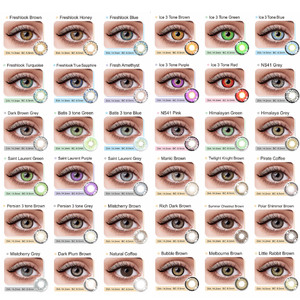
Haipurecon Factory Direct Wholesale Contact Lenses $0.99 Per Pair MOQ 500 Pairs Limited Stock Contact for Deal
Lalens Cyber Grey Eyes For Dolls Anime Lens Wholesale Coloured Contacts Lentes De Contacto Wholesale
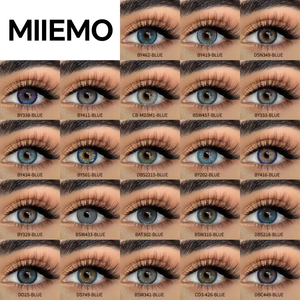
OEM Private Label Three Tone Colored Contact Lenses 38% Water Content Custom Logo Blister Pack Soft Beauty
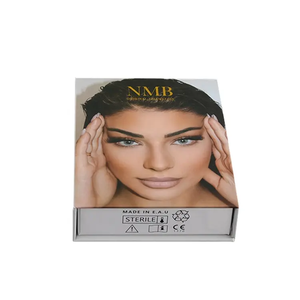
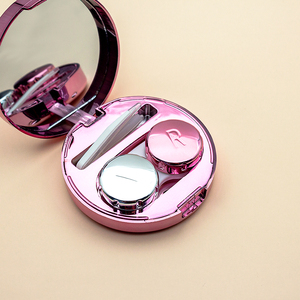
Custom Eye Contact Lenses Complete Box Set with Logo Contact Lenses Packaging Box Luxury Aesthetic
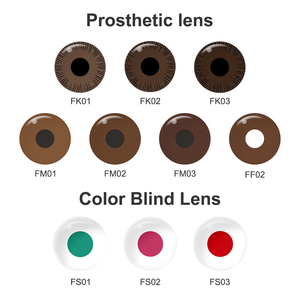
Free Shipping Pseyeche Prosthetic Contact Lenses for Blind Eye Colored Contact Lenses Brown Prosthetic Eye
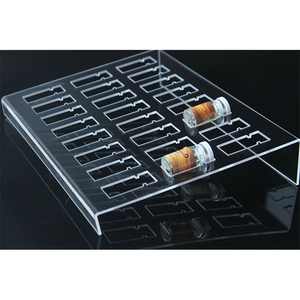
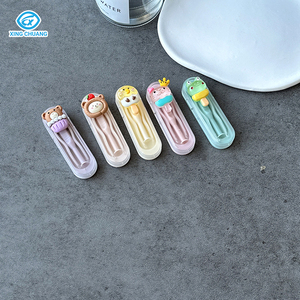
24 Slots Portable Acrylic Contact Lenses Bottle Rack Clear Acrylic Contact Lens Display Stand Holder 24 Unit
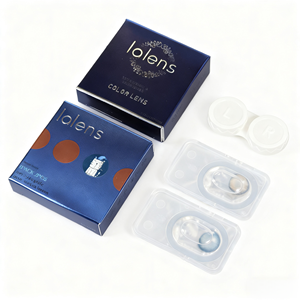
Custom Design Cardboard Soft Contact Lenses Private Label Contact Lenses Packaging Paper Box for Cosmetic Lens
Executive Procurement Guide: Why Global Brands Source from Korean Contact Lens Manufacturers
In the international ophthalmic medical device and cosmetic lens sector, South Korea has long stood out as the preeminent epicenter for aesthetic color fidelity, micro-pigment encapsulation, and hydrogel engineering. Overseas buyers, optical retail chain merchandisers, and private label beauty incubators consistently favor Korean manufacturing partners over competing commodity production hubs for three structural reasons: strict regulatory rigor overseen by the Ministry of Food and Drug Safety (MFDS / KFDA), proprietary sandwich printing methodologies that eliminate corneal abrasion, and an unmatched capacity to design subtle, multi-tone limbal gradients tailored to global human irises.
When purchasing wholesale contact lenses from certified Korean OEM/ODM suppliers, optical importers secure significant operational leverage. Unlike general consumer cosmetics, contact lenses are categorized as Class II or Class III medical devices across key export jurisdictions—including the United States (US FDA 510(k)), Canada (Health Canada Class II), the European Union (EU MDR 2017/745), and the United Kingdom (UKCA). Korean manufacturing plants operate under strict ISO 13485-certified Quality Management Systems (QMS), ensuring that hydrogel batch compounding, cast molding, automated vision inspection, and autoclave sterilization undergo comprehensive audit trails. This eliminates batch-to-batch variation, pinhole defects, lens surface burrs, and off-axis cylinder errors, which often cause customer returns and regulatory port detentions.
Cast Molding Superiority
Korean facilities utilize computerized micro-injection cast molding rather than archaic spin-casting or raw lathe-cutting. This guarantees ultra-smooth edge profiling, continuous oxygen flow, and a repeatable base curve (8.5mm to 8.7mm) across millions of units.
Sandwich Micro-Coating
Color pigments are microscopically sealed between two clear monomer layers (HEMA/NVP/Silicone). Bio-inert encapsulation prevents raw color compounds from touching the corneal epithelium, guaranteeing zero leaching and pristine ocular safety.
Prescription Breadth
Core series offer up to 24 optical powers—from Plano (0.00) down to -8.00 in 0.25D/0.50D increments. This empowers wholesalers to capture both the cosmetic fashion demographic and vision correction users under one unified stock code.
Polymer Science & Technological Trends Shaping the Contact Lens Industry
The global contact lens market is undergoing rapid material and clinical evolution. B2B procurement professionals must align their sourcing strategies with three primary technical vectors to stay ahead of shifting consumer demands and clinical regulations:
1. The Migration to High Dk/t Silicone Hydrogel Formulations: While traditional poly-HEMA (2-hydroxyethyl methacrylate) materials with 38% to 42% water content continue to dominate budget retail due to cost efficiency and structural stability, leading Korean production facilities are actively commercializing next-generation Silicone Hydrogel (SiHy) and Phosphorylcholine (PC) hybrid formulations. Silicone hydrogel channels oxygen directly through polymer siloxane matrices rather than relying strictly on water pathways, boosting oxygen transmissibility (Dk/t) from traditional values of 12-18 up to 80-120 Barrer/cm. This significantly mitigates corneal hypoxia, reduces limbal hyperemia, and extends daily wear comfort from 6 hours to 14+ hours—a crucial metric for modern digital screen users.
2. Bio-Mimetic Phosphorylcholine (PC) Surface Wetting: PC-treated surfaces simulate human cell membranes. By binding water molecules tightly to the lens matrix, Korean engineers suppress protein and lipid deposition. For importers, stocking PC-Hydrogel lines translates directly to a drastic drop in customer complaints concerning end-of-day dryness, foreign-body sensations, and blurred peripheral sightlines.
3. Advanced Nanometer Photolithography Printing: Legacy color contact lenses frequently suffered from pixelation, artificial dot matrices, and harsh visual transitions. Korean mold-etching technology now leverages 1200 DPI micro-point photolithography. Natural iris ring patterns, radial striations, and delicate pupil transitional rings blend seamlessly with both hyper-pigmented Asian dark-brown eyes and lighter Western iris tones.
| Material Classification | Water Content (%) | Oxygen Transmissibility (Dk/t) | Ideal Replacement Cycle | Recommended Market Positioning |
|---|---|---|---|---|
| Standard Hydrogel (Poly-HEMA) | 38% – 42% | 14 – 20 Barrer/cm | Monthly, 6-Month, Yearly | High-volume wholesale, cosmetic fashion, costume & cosplay |
| PC-Hydrogel (HEMA + Phosphorylcholine) | 40% – 45% | 22 – 30 Barrer/cm | Daily Disposable, Monthly | Sensitive eyes, dry climates, premium boutique optical retail |
| Silicone Hydrogel (Fluorosilicone) | 45% – 55% | 85 – 125 Barrer/cm | Daily Disposable, Bi-Weekly | Clinical optometrist retail, prolonged screen wear, executive brands |
| Therapeutic / Prosthetic Hydrogel | 38% – 40% | 16 – 22 Barrer/cm | Monthly, Yearly | Medical clinics, post-trauma corneal masking, blind-eye prosthetics |
Future B2B Procurement Trends: Strategic Forecast for 2025–2030
Procurement directors planning their 3- to 5-year inventory strategies must navigate notable macroeconomic and supply chain realignments across North America, Europe, and Australasia:
A. Dominance of Daily Disposable (1-Day) Modalities: While long-term replacement cycles (6-month and 1-year) maintain strong appeal in price-sensitive developing markets and specialized cosplay segments, mature optical markets are shifting rapidly toward 1-day daily disposables. Driven by consumer awareness of ocular hygiene and the sheer convenience of zero maintenance solutions, daily disposables eliminate the need for cases and multi-purpose solutions. Importers must build manufacturing partnerships capable of delivering automated high-speed blister packaging lines (PP blisters with medical-grade heat-sealed aluminum foil) at aggressive per-unit economics.
B. Agile Multi-SKU Private Labeling with Low MOQs: Historically, custom OEM contact lens runs demanded 5,000 to 10,000 pairs per individual color and prescription power—presenting prohibitive capital commitments for indie beauty startups and regional distributors. Leading Korean contract manufacturers are restructuring their assembly lines with modular digital printing setups, enabling MOQ thresholds as accessible as 500 pairs total, distributed across varied SKUs. This allows retail brands to test seasonal drops, holiday edits, and influencer collabs with minimal inventory risk.
C. Sustainable, FSC-Certified Secondary Packaging: Environmental compliance has extended into ophthalmic retail. Wholesalers must increasingly provide recyclable polypropylene blisters, minimal virgin plastics, and secondary paperboard cartons printed with soy ink and FSC certification to comply with EU packaging directives and consumer sustainability demands.
Manufacturer Infrastructure & Wholesale Competitive Advantages
Drawing upon our deep manufacturing heritage, established R&D laboratories, and verified production lineage, we provide our global trading partners with unparalleled manufacturing advantages:
Full Regulatory File Access
We provide full Technical Files (TF), Device Master Files (DMF), Declarations of Conformity (DoC), and certified biocompatibility test reports (ISO 10993 cytotoxicity, ocular irritation, systemic toxicity) for seamless customs clearance across the US, Canada, EU, and Latin America.
Complete Turnkey Private Labeling
Our OEM capability is truly end-to-end: internal structural graphic designers create custom branded carton packaging, blister foils, bilingual consumer user leaflets (English/French/Spanish), barcoding, and tamper-evident shrink seals under one roof.
Zero-Irritation Sandwich Pigmentation
Every cosmetic lens utilizes proprietary multi-layer micro-sandwich dye encapsulation. Color particles are locked securely inside the lens polymer matrix, ensuring zero pigment migration or corneal contact, retaining full wet-lubricity throughout wear.
24 Diopter Steps (Plano to -8.00)
We maintain comprehensive power stocks across core classic shades: 0.00 (Plano) for cosmetic beauty, and -1.00 to -8.00 in fine steps (0.25D up to -5.00, 0.50D from -5.00 to -8.00), minimizing lead times for prescription-inclusive supply orders.
Rapid Sample & Prototyping Pipeline
For custom chromatic concepts, gradient development, or limbal pattern rendering, our sample engineering laboratory produces accurate physical trial blister prototypes within 10 to 14 working days, significantly speeding up your go-to-market rollout.
Factory-Direct Pricing & High Margins
By eliminating multiple tiers of intermediary brokers, our direct supply contracts ensure exceptional gross profit margins (often exceeding 60%–78% at retail level) across high-volume boutique, optical chain, and e-commerce wholesale channels.
International Regulatory Compliance & Import Clearance Standards
Commercial importers often underestimate the regulatory requirements for cosmetic contact lenses. In virtually every developed economy, non-corrective (plano) color contact lenses are regulated strictly as medical devices under the exact same statutory rules as prescription corrective lenses. Sourcing from non-certified factories exposes brand owners to heavy civil liabilities, seizure of goods, and severe border customs penalties.
Our manufacturing and export pipelines comply with the world's most stringent regulatory authorities:
Health Canada (MDEL / Class II)
Under the Canadian Food and Drugs Act, all decorative and corrective contact lenses require Medical Device Establishment Licences (MDEL) or active Device Licences. We supply full technical dossiers, sterilization validation documentation, and bilingual (English/French) labeling to satisfy Canadian import inspectors.
US FDA 510(k) Clearance
In the United States, contact lenses are Class II devices under 21 CFR 886.5925. Finished blister packaging requires clear UDI (Unique Device Identifier) barcoding, sterile lot serialization, expiry verification, and explicit prescription wear disclaimers to ensure frictionless logistics through US ports.
European Union MDR 2017/745
Annex XVI of the EU Medical Device Regulation explicitly categorizes non-corrective cosmetic lenses alongside therapeutic ophthalmic devices. Our European CE certification (Notified Body 0197) guarantees comprehensive Clinical Evaluation Reports (CER) and post-market surveillance (PMS) compliance.
B2B Importer & Wholesaler Frequently Asked Questions
Key technical, operational, and commercial insights addressing the primary questions raised by international sourcing directors, distributor procurement managers, and beauty brand founders.
What are the typical minimum order quantities (MOQs) for factory wholesale vs. private label custom branding?
For ready-to-ship factory wholesale products in standard blister or vial packaging, our MOQ starts at just 50 to 500 pairs per order, enabling agile market testing. For bespoke OEM/ODM private label programs—including custom primary blister foil printing, unique color gradient development, and branded outer paperboard packaging—the standard production MOQ is typically 500 to 1,000 pairs per color shade, with broad distribution allowed across the full diopter power matrix (Plano to -8.00).
How does your manufacturing process ensure that cosmetic pigments never touch or damage the cornea?
We utilize a specialized "Sandwich" (Cast-Molding Encapsulation) engineering standard. Unlike lower-tier screen-printed lenses where pigments reside on the surface, our multi-tone FDA/KFDA-approved organic mineral colorants are printed directly onto the inner curve of a base monomer, followed by an over-layer of pure, optical-grade hydrogel monomer. Once polymerized under precision UV thermal ovens, the colorants remain permanently sealed between the inner and outer hydrogel matrices. The lens surfaces remain 100% bio-inert and smooth.
What quality assurance inspections and sterile validation protocols are performed prior to release?
Every manufactured batch undergoes a rigorous 5-stage quality audit: (1) 100% automated high-resolution CCD optical camera inspection to verify edge profiles, surface uniformity, and absence of air bubbles or tears; (2) Diopter focal laser mapping to ensure prescription power accuracy; (3) Sealing integrity testing of the polypropylene blister cups; (4) Moist-heat autoclave steam sterilization at 121°C for 20 minutes under validated SAL 10^-6 microbial assurance standards; and (5) Endotoxin/bioburden testing on every finished lot prior to export release.
What is the shelf life of sealed wholesale contact lenses, and what are the optimal storage conditions?
Our hermetically sealed blister packages have a validated sterile shelf life of five (5) full years from the date of terminal autoclave sterilization. The lenses are immersed in buffered, physiological saline solution containing wetting agents like sodium hyaluronate. For warehousing, distributors should store units in cool, dry conditions between 5°C and 30°C (41°F–86°F), away from direct sunlight, extreme freezing, or high humidity.
Can you support custom multilingual packaging for Canadian and European distribution requirements?
Yes. We routinely engineer bilingual English/French packaging specifically for Canadian retail compliance under Health Canada guidelines, alongside multilingual EU variations (German, French, Spanish, Italian). Our packaging specialists manage all mandatory regulatory data placement—including European Authorized Representative (EC REP) addresses, UDI codes, lot numbers, symbols compliant with ISO 15223-1, and comprehensive folded Patient Information Leaflets (PIL).
What are the production lead times from contract signing to final freight handover?
In-stock factory wholesale inventory ships within 2 to 5 business days via tracked international air express (DHL, FedEx, UPS) or standard air freight. Custom OEM private label projects typically operate on a 25 to 35-day production cycle, which includes precision packaging printing, blister filling, terminal autoclaving, and final third-party pre-shipment QC release.
How do you handle defect warranty claims and return rates?
Our historical defect rate across global exports remains consistently below 0.02% due to multi-axis laser and CCD machine vision inspections. However, we stand behind our production quality: if any blister arrives compromised, damaged in transit, or exhibiting out-of-spec parameters upon arrival inspection, we immediately issue credit notes or provide free production replacements on the subsequent shipping batch, backed by our verified batch serial tracking system.
Are prosthetic medical contact lenses available for clinical distributors and optical boutiques?
Yes. In addition to aesthetic fashion lenses, our specialized medical manufacturing wing produces therapeutic prosthetic contact lenses specifically engineered for patients with aniridia, corneal scarring, coloboma, or severe ocular trauma. These lenses feature custom-painted or opaque iris backings designed to mask disfigurement, minimize debilitating photophobia, and enhance cosmetic confidence under full clinical safety standards.