Engineered OEM & Private Label Solutions
Explore our validated product lines designed for private label distributors, medical clinics, and cosmetics enterprises requiring Class II/III regulatory readiness.
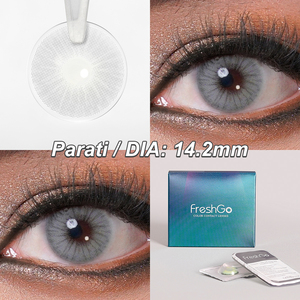
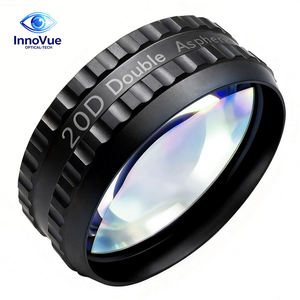
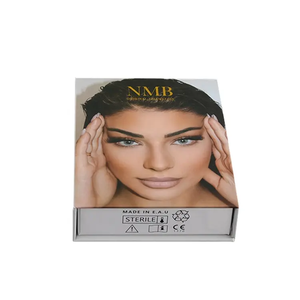
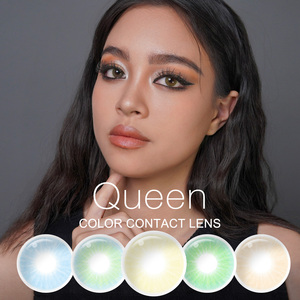
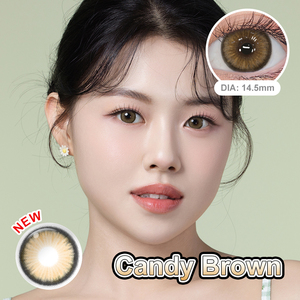
Enterprise Advantages & Contract Manufacturing Infrastructure
Decoupling downstream consumer satisfaction from upstream regulatory and manufacturing bottlenecks requires exceptional precision.
Medical-Grade Compliance
Our operations operate under a rigorously audited Quality Management System adhering to US FDA, CE, and ISO 13485 criteria. Whether navigating Health Canada Class II medical device requirements, European MDR conformity, or FDA 510(k) clearances, we provide exhaustive batch traceability and biocompatibility dossiers.
Sandwich Encapsulation Process
Consumer safety relies on total pigment containment. Our dual-layer polymer casting locks micro-pigments inside the hydrophilic matrix (HEMA/NVP or high-Dk Silicone Hydrogel), ensuring active colorants never make direct contact with the sensitive corneal epithelium, preventing staining, hypoxia, and micro-abrasions.
Bespoke Private Label Integration
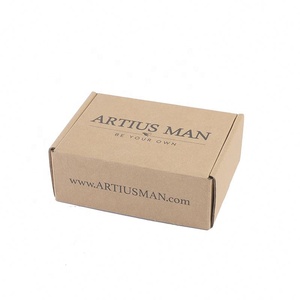
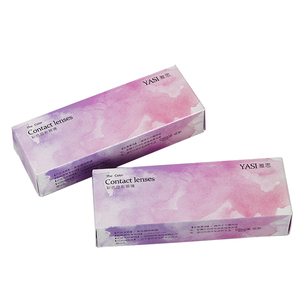
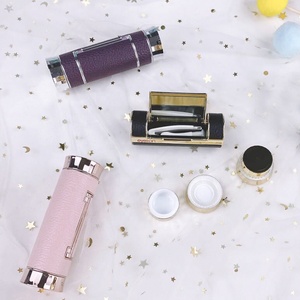
From injection-molded luxury packaging cases to localized, bilingual carton production (e.g., Canadian English/French compliance), our turnkey private labeling incorporates hot foil stamping, custom blister foil sealing, sterile saline formulation, and automated barcoding directly mapped to your SKU architecture.
The Paradigm Shift in Optical OEM Procurement
Modern procurement directors are moving away from traditional fragmented cosmetic-lens brokers in favor of unified, integrated OEM partners. In today's omnichannel market, achieving sustained customer lifetime value (LTV) requires combining aesthetic color design with strict medical-grade comfort, consistent base-curve adherence (8.5mm - 8.6mm), high oxygen transmissibility (Dk/t), and verified water equilibrium.
Future Sourcing & Procurement Trends in OEM Contact Lenses
Strategic insights for optical importers, private brands, and beauty conglomerates planning inventory lifecycles over the next 24 to 36 months.
1. The Ascendancy of Daily Disposables
While yearly lenses remain economical for emerging markets, consumer preferences in Tier-1 North American and European markets have pivoted sharply toward 1-Day daily disposables. The demand is fueled by hygienic safety profiles, eliminating lens-case contamination and simplifying winter wear in arid, heated indoor environments. Sourcing strategies require manufacturers offering high-cavitation automated blister packaging to preserve tight margins.
2. Hyper-Strict Regulatory Scrutiny
Customs authorities worldwide (including Health Canada, the US FDA, and the European EMA) now treat purely cosmetic colored lenses as Class II or Class III medical devices. Importers face border stoppages if manufacturers lack fully auditable 510(k) registrations, MDR documentation, or ISO 13485 cleanroom certifications. Future-proof procurement demands direct audit access to manufacturing plants.
3. Full Diopter Assortments as Standard
The boundary between vision correction and beauty has blurred. Over 68% of cosmetic lens shoppers require corrective vision. Sourcing a cosmetic line limited strictly to Plano (0.00) drastically limits customer acquisition. Top brands now mandate 24 power increments (0.00 to -8.00 in 0.25D and 0.50D increments) ready for fulfillment to convert prescription-dependent wearers instantly.
Industrial Formulation & Replacement Cycle Comparison
Review engineering tolerances across our standard polymer substrates and mold platforms.
| Replacement Profile | Primary Substrate | Water Content | Base Curve / Diameter | Recommended Distribution Channel |
|---|---|---|---|---|
| 1-Day Daily Disposable | Hydrogel (HEMA+NVP) / SiHy | 42% – 55% | BC: 8.6mm | DIA: 14.0 - 14.2mm | Premium Optical Boutiques, Clean Beauty Retailers, Travel Kits |
| Monthly / Bi-Weekly | High-Dk Poly-HEMA Composite | 38% – 42% | BC: 8.5 - 8.6mm | DIA: 14.2mm | Subscription D2C Boxes, Dermatological Clinics, Retail Spas |
| Yearly Extended Wear | Cross-linked Cast Hydrogel | 38% – 40% | BC: 8.6mm | DIA: 14.0 - 14.5mm | Cosplay Distributors, Specialized Theatrical Outlets, Value Salons |
| Diagnostic & Specialty Lenses | Optical PMMA / High-Index Glass | Non-hydrated / Rigid | Variable Optical Zones | Ophthalmology Clinics, Surgical Supply Chains, Hospital Systems |
Future Industry Innovations in Contact Lens Development
How next-generation biomimetic surfaces and digital manufacturing processes are transforming contract manufacturing.
Phosphorylcholine (PC) Technology
Biomimetic polar PC coatings imitate natural cellular structures, attracting surrounding water molecules to formulate a shielding hydration barrier that wards off protein and lipid accumulation for all-day wearing comfort.
High-Precision Cast Molding
Replacing legacy lathe-cutting techniques with automated double-sided optical cast molding ensures sub-micron surface smoothness, eliminating peripheral edge abrasions and stabilizing uncompromised rotational stability for astigmatic wearers.
Integrated Class II UV Blocking
Polymer matrices synthesized with integrated UV absorbing monomers attenuate >95% of UVB and >70% of UVA radiation, transforming standard cosmetic lenses into active ocular health barriers against solar-induced corneal photodamage.
Multi-Tone Iris Vectoring
Using 3-to-4 layer micro-dot matrix printing, lenses mimic the natural human stroma. Distinct limbal rings provide depth, while layered central hues ensure believable, realistic coverage even over the darkest brown irises.
Frequently Asked Questions for OEM & Private Label Buyers
Practical answers addressing common regulatory, production, minimum order quantity (MOQ), and packaging inquiries.
What are the minimum order quantities (MOQs) for custom private label packaging?
How does your factory verify pigment safety and biological encapsulation?
What regulatory documentation is provided for regional medical device clearance?
Can we request customized diopter ranges, base curves, and diameters (DIA)?
What is the end-to-end turnaround time from artwork sign-off to delivery?
Launch or Scale Your Private Label Lens Collection Today
Partner directly with an established ISO 13485 certified optical facility. Receive tailored technical consultation, physical samples, and comprehensive wholesale OEM volume matrices.