Precision Optical & Private Label Accessory Portfolio
Direct manufacturer supply for color circle lenses, optical sterile care kits, automated packaging, and high-frequency production accessories.
Engineered for Global Compliance & High-Volume Retail Success
Operating under certified ISO 13485 Medical Device Quality Management Systems, our production infrastructure delivers clinical safety, color consistency, and comprehensive regulatory documentation for North American, European, and Asian distributors.
Triple Regulatory Clearances (ISO 13485, CE, FDA)
Cosmetic and circle lenses are regulated strictly as Class II/Class III medical devices globally. Every production batch is produced in ISO Class 7/8 cleanrooms with automated microbiological testing, endotoxin screening, and full traceability audited to EN ISO 13485:2016, European CE MDD/MDR records, and FDA-compliant master files.
Extensive Power Spectrum: Plano (0.00) to -8.00
Eliminate procurement fragmentation. While standard cosmetic lens vendors only produce Plano (non-corrective) units, our precision cast-molding lines provide 24 spherical power steps from 0.00 down to -8.00 (0.25D increments up to -5.00D; 0.50D increments up to -8.00D), empowering brands to serve prescription myopia customers effortlessly.
Patented Sandwich Pigment Micro-Encapsulation
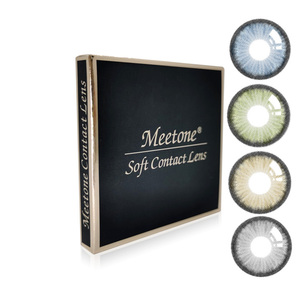
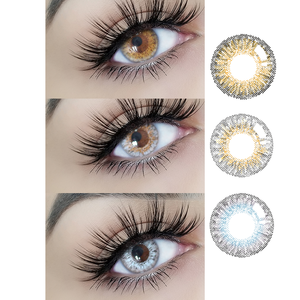
Corneal safety is non-negotiable. Our automated polymer sandwich printing locks multi-tone biological dyes (1-Tone natural iris, 2-Tone limbal blend, 3-Tone Meetone dimensional shades, and cosmetic sparkle pigments) between inert biocompatible hydrogel layers, guaranteeing zero pigment-to-cornea direct contact and exceptional oxygen transmissibility.
Manufacturing Specifications & Optical Parameters
Benchmarked across international ophthalmic device metrics (ISO 18369). Sourced by optical boutiques, aesthetic e-commerce enterprises, and pharmaceutical wholesale channels.
| Parameter / Specification | Standard Hydrogel (HEMA / NVP) | Silicone Hydrogel (SiHy) Advanced | Procurement Verification Protocol |
|---|---|---|---|
| Base Curve (BC) | 8.50 mm – 8.60 mm (±0.02 mm tolerance) | 8.60 mm – 8.70 mm | Optical Spherometer & Projection Interferometry |
| Total Diameter (DIA) | 14.0 mm / 14.2 mm / 14.5 mm | 14.1 mm / 14.3 mm | Non-contact Automated Vision Measurement System |
| Graphic Diameter (GDIA) | 13.0 mm (Natural) to 13.8 mm (Enlarge Circle) | 13.2 mm to 13.6 mm | High-resolution Digital Colorimetry Calibration |
| Water Content | 38% to 42% (High structural stability) | 48% to 55% (High equilibrium hydration) | ISO 18369-4 Gravimetric Dehydration Chamber Test |
| Oxygen Transmissibility (Dk/t) | 18 – 25 × 10⁻⁹ (Ideal for daily/extended wear) | 80 – 120 × 10⁻⁹ (Superior ocular breathability) | Coulometric Polarographic Sensor Method |
| Center Thickness (CT @ -3.00D) | 0.08 mm (Ultra-thin comfort taper) | 0.07 mm – 0.085 mm | Electronic Linear Gauge & Low-force Dial Gauge |
| Manufacturing Technology | Full Cast Molding / Dual-layer Spin Cast | Precision Cast Molding with Plasma Treatment | 100% Automated Optical Surface Defect Screening |
| Sterilization Methodology | High-pressure Saturated Steam Autoclave (121°C) | Validated Steam Autoclave Cycle > 20 min | Biological Indicator Spore Testing (Bacillus Stearothermophilus) |
Future Procurement Trends in Cosmetic Circle Lenses (2025–2030)
Data-driven insights for commercial buyers, category managers, and private-label distributors planning their next-generation optical product roadmaps.
1. The Accelerating Shift to Daily Disposables (1-Day Color Lenses)
While traditional 1-Year and 6-Month replacement cycles maintain high unit profitability in emerging markets, North American and European regulatory environments are heavily incentivizing daily disposable modalities (1-Day).
- Hygiene & Clinical Safety: Daily disposables eliminate the risk of microbial biofilm accumulation, Acanthamoeba keratitis, and lens case cross-contamination.
- Moisture Retention for Heated/Air-Conditioned Climates: Incorporating Hyaluronic Acid (HA) and Polyvinylpyrrolidone (PVP) into the packaging blister solution combats digital eye strain and dry winter conditions.
- High Repurchase Cycles: 1-Day blister boxes (10-pack, 30-pack) drive consistent recurring revenue compared to annual pairs.
Wholesale procurement strategies must allocate at least 35% of inventory volume to daily color series to capture evolving youth demographics.
2. Advanced Silicone Hydrogel (SiHy) Pigment Integration
Historically, color circle lenses were restricted to poly-HEMA polymers because pigment print stability on high-oxygen silicone matrixes was technologically difficult to achieve without delamination.
- Breakthrough Plasma Surface Treatment: Modern Chinese tier-one manufacturers utilize nano-scale plasma surface coating that encapsulates the pigment layer within silicone channels without blocking gas exchange.
- Healthy Dk/t Values Exceeding 80: Provides 4x the oxygen transfer of conventional colored hydrogel, allowing wearers to maintain white, non-hyperemic eyes even after 10+ hours of continuous wear.
- Expanded Wear Time Demands: As color contact lenses transition from evening novelty wear to daily cosmetics, oxygen transmissibility becomes the primary selling proposition.
Procuring SiHy color lenses positions your retail brand in the prestige, premium-tier cosmetic medical segment.
3. Hyper-Realistic Biomimetic 3-Tone & Limbal Engineering
Consumer aesthetics have decisively moved away from unnatural, flat cartoon aesthetics toward intricate biomimetic irises that convincingly lighten dark brown eyes.
- Micro-Dot Matrix Resolution: Transitioning from 300 DPI to 1200 DPI rotary pad printing creates microscopic color gradations mimicking human iris trabecular networks.
- Soft Feathered Limbal Rings: Engineered outer borders avoid harsh demarcation, blending naturally with dark scleral borders for an authentic enlarging effect.
- Universal Dark-Eye Opacity: Formulated with calibrated titanium dioxide (TiO2) base underlays to mask heavy brown eumelanin pigmentation without compromising pupil clearance.
Collaborating with factories offering specialized R&D sample prototyping gives your brand immediate visual differentiation.
B2B Quality Assurance & Vendor Vetting Protocols
How international importers, optical retail chains, and Amazon/Shopify entrepreneurs avoid compliance seizures and ensure long-term batch consistency.
A. Regulatory Due Diligence & Import Customs Clearance
Contact lenses are subject to strict border controls. Working with unverified suppliers inevitably leads to container seizures by health authorities such as the US FDA, Health Canada, or the EU competent authorities.
- CE Mark Validation: Verify whether the CE certification is issued under MDD 93/42/EEC (expiring) or the updated MDR (EU) 2017/745 through accredited Notified Bodies (e.g., TÜV SÜD, BSI, SGS).
- Health Canada Medical Device Licensing: In Canada, cosmetic circle lenses are categorized as Class II medical devices requiring an active Medical Device License (MDL) and Medical Device Establishment License (MDEL).
- UDI & Barcoding Integration: Ensure outer carton and individual blister packaging feature Unique Device Identification (UDI) barcodes for automated logistics tracking.
B. Turnkey Private Label OEM/ODM Execution
Establishing an enduring retail brand requires packaging that meets clinical standards and modern cosmetic beauty standards simultaneously.
- Sterile PP Blister Shells & Aluminum Foil Heat Sealing: Medical-grade polypropylene blisters pre-filled with buffered saline solutions (buffered with Borate or Phosphate) and foil stamped with sterile barrier validation.
- Bilingual Compliance Inserts: Inclusion of mandatory IFU (Instructions for Use) leaflets detailing lens wear times, contraindications, and cleaning instructions in multiple languages (English, French, Spanish, German).
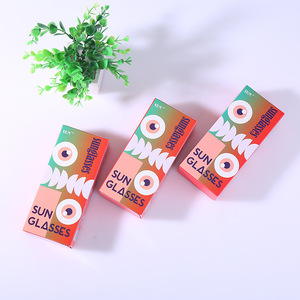
- Secondary Outer Box Finishes: UV spot lamination, tactile embossing, anti-counterfeit holographic scratch-off security seals, and premium art paper structures (e.g., Meetone style paper boxes).
C. Cold Chain, Stability Testing & Batch Traceability
Maintaining ophthalmic stability throughout international oceanic and air freight routes requires standardized environmental testing.
- Accelerated Aging Studies: Validated stability data proving product sterility and physical tensile elasticity retention over 3 to 5 years shelf life.
- Thermal Shock Resistance: Formulations engineered to endure freezing cargo holds and tropical container transit without osmotic blister seal failure.
- Certificate of Analysis (CoA): Every shipment must be accompanied by batch-specific CoA documenting pH (7.0–7.4), osmolarity (290–330 mOsm/kg), and zero biological contamination.
Frequently Asked Questions: China Wholesale Circle Lenses
Clear, direct answers regarding production capacities, private label packaging minimums, prescription distribution, and compliance certifications.
What is the standard Minimum Order Quantity (MOQ) for custom private label circle lenses versus factory stock?
How do you guarantee that colored pigments do not cause corneal staining or toxicity?
Can wholesale orders accommodate mixed prescription powers across multiple color styles?
What quality and regulatory documentation is provided for customs clearance in the US, Canada, and the EU?
What is the shelf life of sealed sterile blister packs, and how are replacement cycles categorized?
What are the lead times for custom mass manufacturing, packaging printing, and air/ocean dispatch?
Accelerate Your Contact Lens Brand With A Verified Manufacturer
Eliminate middleman markups. Gain direct factory access to Class 10,000 cleanrooms, full-power spectrum casting, and turnkey private-label packaging solutions backed by complete clinical documentation.
Request B2B Price Matrix & Sample Kit
Connect instantly with our technical ophthalmic export engineers for volume pricing and regulatory dossiers.
Get a Quote