Flagship Colored Contact Lenses & OEM Packaging Solutions
Engineered under precision cast-molding processes with high water permeability, multi-tone visual depth, and medical-grade blister packaging ready for international distribution.
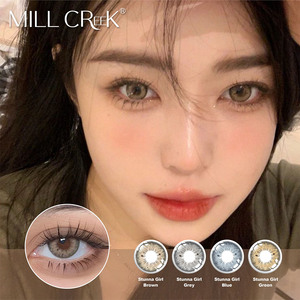
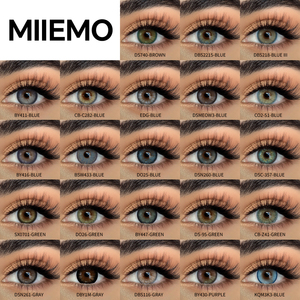
For MIIEMO Pro Penni Soft Natural Colored Contact Lenses Private Label Cosmetic Wholesale Color Contact Lens
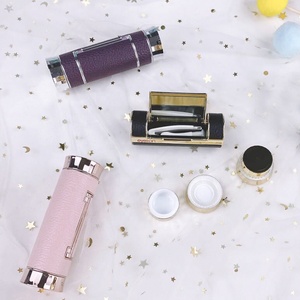
Eyekan K2018 ABS+PP Contact Lens & Lipstick Case ISO13485 Certified CE Marked Multi-Color Options Wholesale
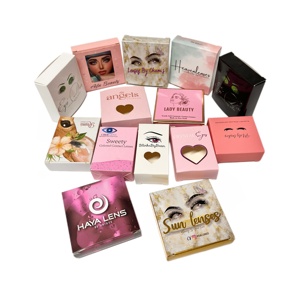
Packaging Box for All Color Contacts Natural Color Eye Lens New Design Hot Sale Colored Contact Lenses Box Card Stock Window UV
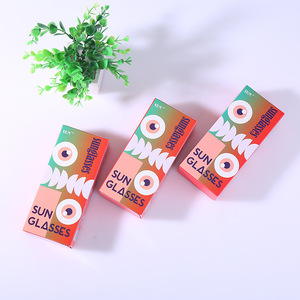
Printing Factory Art Paper Contact Lenses Box Fashion Cosmetic Colored Eye Contact Lens Cardboard Paper Box
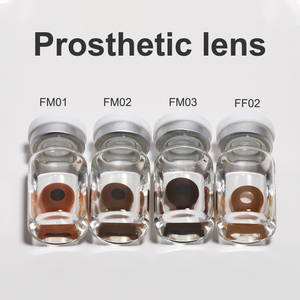
Free Shipping Soft Prosthetic Lens Contacts Factory Wholesale Red Green Brown Color Blind Eye Lens Colored Contact Lenses
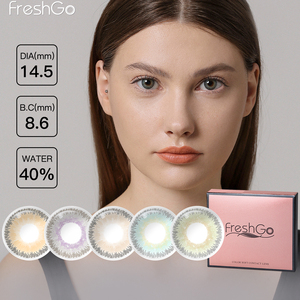
Free Samples Freshgo ELITE Soft Lens Cosmetic Contacts Natural Colored Contact Lenses Wholesale Lentilles De Contact Colorees
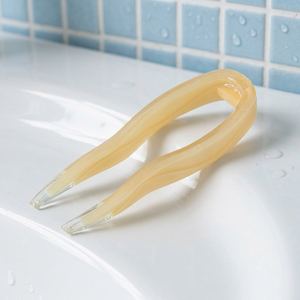
Inventory Wholesale Color Plastic Soft Contact Lens Small Clip Rubber Coating Companion Box Accessories Tweezers
Engineering Precision: Advanced Polymer Science in Modern Colored Contact Lens Manufacturing
A rigorous industrial perspective on biocompatibility, micro-encapsulation, chromatic layering, and automated cast molding methodologies.
In modern optometric manufacturing, cosmetic and prescription colored contact lenses represent a complex intersection of biocompatible polymer chemistry, precision optical physics, and micron-scale aesthetic printing. As a premier China-based factory and contract manufacturing conglomerate, our facility operates strictly under the rigorous harmonization of ISO 13485:2016, EU CE MDR (Regulation 2017/745), and US FDA 510(k) medical device standards. The global market has transitioned rapidly away from simple vanity accessories toward high-performance medical devices capable of delivering seamless iris mimicry without compromising corneal oxygenation, tear exchange dynamics, or endothelial cell health.
The Anatomy of Full Sandwich Color Embedding Technology
Historical methods of color lens manufacturing often relied on pad printing directly onto the cured anterior or posterior surface of the contact lens. This primitive approach generated tactile friction against the upper tarsal plate, accelerated mechanical micro-trauma, and raised significant biocompatibility concerns regarding pigment migration. Our manufacturing platform integrates Semi-Cast & Full Cast Multi-Layer Sandwich Encapsulation. During the automated cast-molding sequence:
- Base Clear Layer: An initial optical substrate of cross-linked Poly(2-hydroxyethyl methacrylate) (pHEMA) or silicone hydrogel monomer is spun into the optical front mold with sub-micron uniformity.
- Chromophoric Micro-Printing: Bio-inert, medical-grade inorganic iron oxides, titanium dioxide, and phthalocyanine colorants are pad-printed in multi-dot micro-matrix arrays. Clear pupil aperture clearances (strictly controlled between 3.8mm to 4.2mm) are calibrated to preserve peripheral night-vision acuity while concealing the underlying dark limbal margin.
- Sealing Enveloping Monomer: A subsequent prepolymer injection coats the pigment array entirely, embedding the chromophores within a permanent polymer matrix. UV light polymerization and thermal cross-linking permanently seal the pigments, ensuring zero physical contact with ocular tissues.
Corneal Epithelial Safety
By trapping the color layer beneath an ultra-smooth, 10-nanometer optical finishing barrier, our lenses avoid corneal staining, giant papillary conjunctivitis (GPC), and abrasive wear during 12-hour continuous wear cycles.
Dk/t Oxygen Permeability
Advanced hydrophilic cross-linkers prevent pigment agglomeration from obstructing molecular oxygen channels. Wearers maintain consistent 20–35 Dk/t transmissibility across hydrogel batches, preventing limbal hyperemia.
High-Precision Edge Profile
Utilizing high-speed CNC steel micro-molds, each lens edge is formulated with a feathered bevel geometry. This tapered tear-pump profile facilitates metabolic debris clearance and minimizes foreign body sensations.
Future Procurement Trends: Where the Global Colored Contacts Market is Headed (2025–2030)
Critical strategic shifts every importer, e-commerce brand owner, optical chain buyer, and distributor must navigate.
The Explosive Surge of 1-Day Daily Disposables
While yearly replacement lenses historically dominated overseas wholesale channels due to cost considerations, modern end-consumers prioritize hygiene and convenience. The B2B order volume for single-use daily disposable blisters has experienced a 44% compound annual growth rate. Brands that fail to offer 10-piece or 30-piece daily SKUs risk customer churn in major North American and European retail sectors.
High-Coverage Multi-Tone Naturalism Over Flat Colors
Gen-Z and millennial demographics are shunning artificial "doll-eye" lenses in favor of high-complexity visual layering: hazel-brown gradients, misty olive greens, and ash greys with feathered outer limbal rings. The winning procurement models favor factories possessing 3-tone and 4-tone dot matrix printing technology that creates authentic eye depth on both naturally dark irises and light eyes.
Low-MOQ Agility & Turnkey Private Label Bundling
Global brands are reducing capital lockup by pivoting toward agile manufacturing. Instead of committing to 50,000-unit single SKU batches, wholesalers require Chinese factories capable of supporting 500-pair private label batches per color, complete with custom printed cardstock boxes, sterilized blister foil sealing, and localized barcoding (GS1 DataMatrix compliance).
| Evaluation Parameter | Legacy Low-Tier Manufacturers | Our Advanced Manufacturing Standard | Procurement & Business Impact |
|---|---|---|---|
| Color Deposition Method | Pad print directly on outer lens surface | True 3-Layer Sandwich Micro-Encapsulation | Prevents epithelial abrasion and avoids medical product liability |
| Material Formulation | Standard HEMA (low water, low Dk) | HEMA-GMA & Silicone Hydrogel Monomers | Delivers up to 43% balanced hydration and sustained all-day lubricity |
| Visual Clarity & Alignment | Off-center pupil cuts, heavy pixilation | CCD Vision Automated Center Inspection (±0.02mm) | Guarantees crisp optics and zero night-vision tunnel constriction |
| Quality Certification | Domestic production permit only | ISO 13485, CE MDR, US FDA 510(k) Records | Guarantees seamless customs clearance across the EU, US, and LATAM |
| Replacement Cycles Offered | Yearly vial lenses only | 1-Day, 1-Month, 6-Month, 1-Year Sterile Blisters | Enables access to premium retail, clinical, and optical boutique channels |
Enterprise Advantages: Industrial Scale, Scientific Rigor & Supply Chain Mastery
Direct from China's leading cleanroom manufacturing infrastructure. We bridge clinical compliance and fashion-forward aesthetics.
Class 100,000 Cleanroom
Our casting lines, hydration baths, and blister sealing cells operate within strictly monitored ISO Class 7/8 environments with positive pressure HEPA filtration.
Full Regulatory Dossiers
We supply authenticated ISO 13485 quality audit records, EU declaration of conformity, Free Sale Certificates (FSC), and full technical testing files for national health registrations.
Turnkey OEM / ODM Eco-System
Beyond optical lenses, our group manufactures medical companion cases, ultrasonic lens cleaners, lipstick contact kits, and custom foil blister packaging with custom logos.
Full Diopter Span (Plano to -8.00)
We stock over 200+ bestselling colored contact motifs with 24 diopter power gradations (0.00 to -8.00 in exact steps), eliminating backorder delays for prescription buyers.
B2B Colored Contact Lenses Sourcing FAQ: Critical Answers for Wholesalers & Brand Owners
In-depth responses covering regulatory barriers, sterilization validation, MOQ constraints, and product lifecycles.
What regulatory certificates are essential when importing colored contact lenses from China?
+
What is the difference between cast-molding and lathe-cutting for colored lenses?
+
How does the factory ensure active colorants never bleed or touch the wearer's cornea?
+
What are the standard Minimum Order Quantities (MOQs) for Private Label OEM production?
+
What sterilization method is used, and what is the validated blister shelf life?
+
Can dark brown eyes achieve vivid, natural eye-color transformations?
+
Accelerate Your Colored Lens Sourcing With Factory-Direct Pricing
Direct supply contracts, custom private labeling, ISO 13485 audit dossiers, and physical sample kits ready for global dispatch. Connect with our technical trade specialists today.